Engineering
Adding noise barriers to existing structures without adding scope
NWB Engineering — May 7, 2026 — 5 min read
Engineering
NWB Engineering — May 7, 2026 — 5 min read
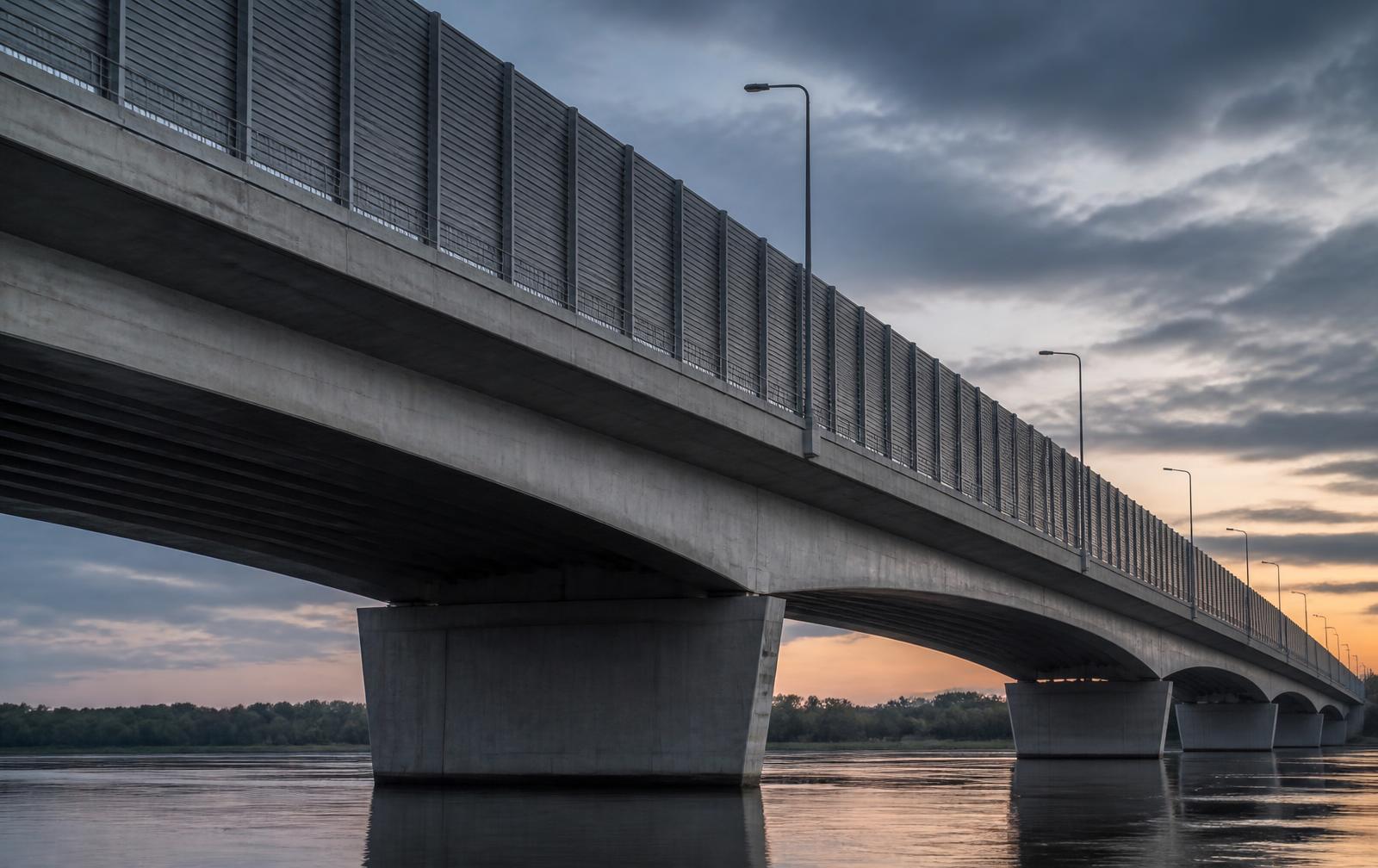
On rehabilitation work, barrier dead load is the constraint that quietly decides the design. A closer look at how to keep it from cascading.
Retrofitting a noise barrier onto an existing bridge or retaining wall is a structural question before it is an acoustic one. The parapet, deck, and substructure were designed for a set of loads, and a barrier addition consumes whatever capacity remains.
When barrier weight exceeds that margin, the project has three options: strengthen the structure, reduce the wall, or reduce the wall's weight. The first two are expensive in different currencies — dollars and performance.
This is why dead load belongs in the early conversation, alongside height and acoustic requirements. Establishing the available capacity first tends to narrow the system options quickly and prevents late redesign.
Attachment detailing deserves the same early attention. Anchorage into existing reinforcement, wind load transfer, and inspection access are all easier to resolve at 30 percent design than at submittal.
NWB works with structural engineers of record on these conditions and can provide dead load information for design use once project parameters are defined.